

Why Your Brand Needs to Show Up on Answer Engines (and How to Monitor It)
Over the past twenty years, we’ve all been conditioned to think in search-first workflows.
You type a query into Google, skim ten blue links, and decide whom to trust.
That mental model is disappearing—quietly, but fast.
Today, more users are skipping the “search → compare → decide” loop entirely and going straight to answer engines like ChatGPT, Perplexity, and Claude. These systems don’t present links; they present conclusions.

And that shift has enormous implications for brands.
The Rise of Answer-Led Discovery
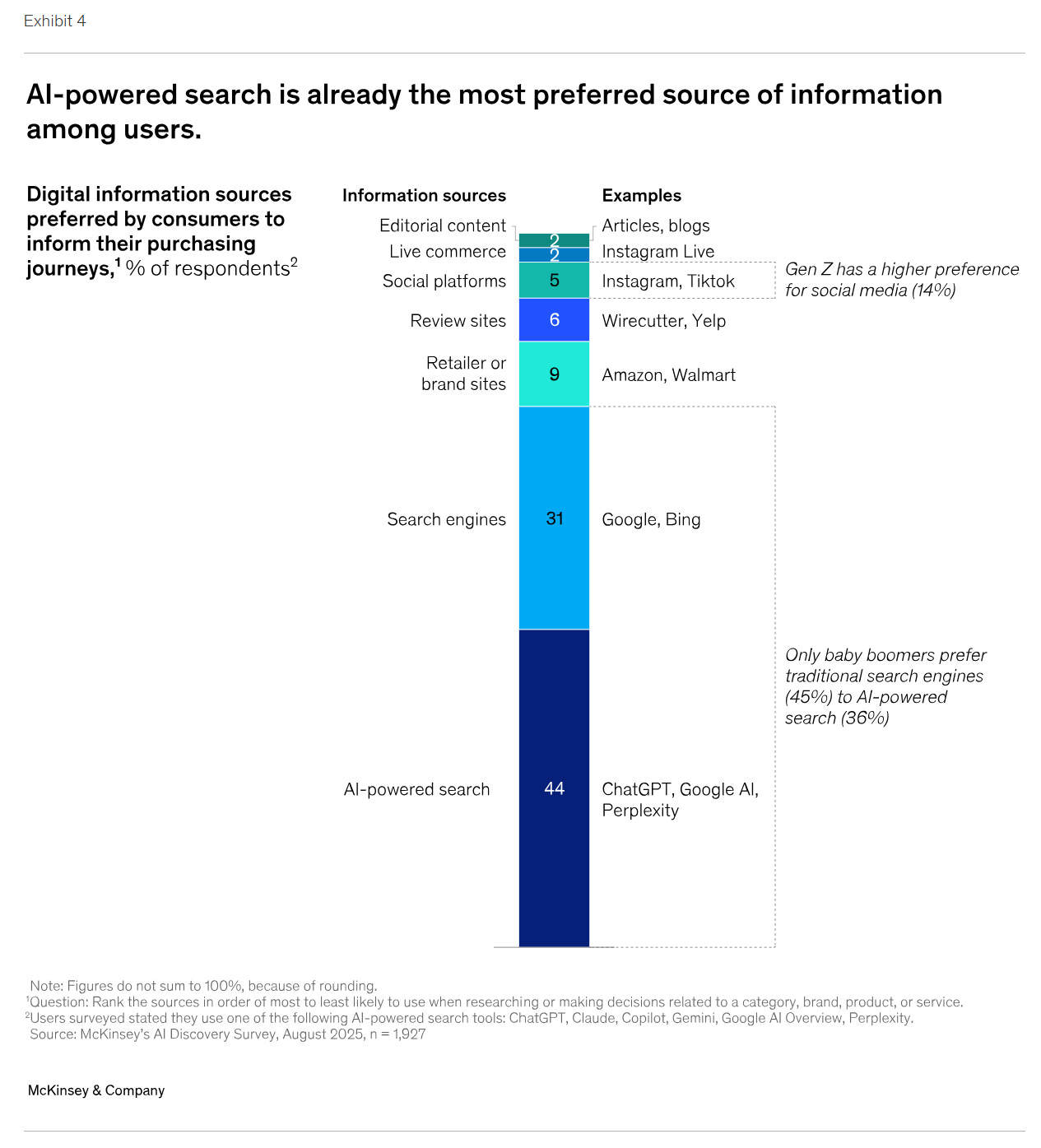
According to data from multiple generative-AI usage studies, nearly 45–60% of new users now start with an AI assistant when exploring a product or service category for the first time. In fact, Perplexity itself claims a 20–30% month-over-month rise in “shopping and services queries.”
That means the customer’s first impression is no longer shaped by your homepage or your Google ranking. It’s shaped by whatever an LLM decides to say about you.
If your brand shows up in that answer, fantastic—you’ve just inherited pre-trained trust.
If it doesn’t, you’ve silently lost a high-intent customer without ever knowing they existed.
A Simple Visual Thought Experiment
Imagine this scenario:
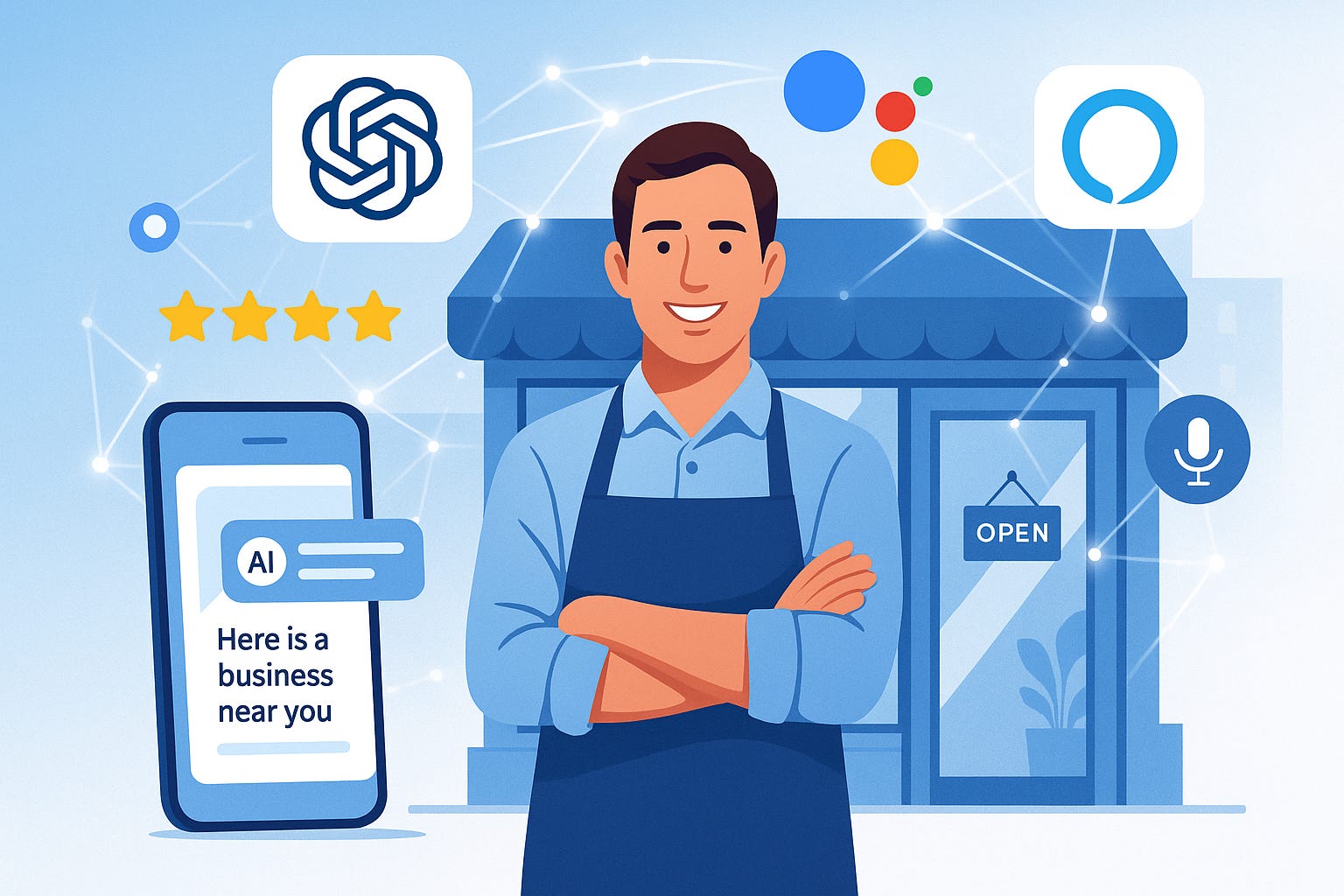
A user asks:
“Who are the top curtain repair services near me?”
The LLM responds confidently, naming three providers.
Your brand is either:
In the answer → instant credibility
Not mentioned → invisible
Misrepresented → losing trust without knowing why
This is the new discovery funnel.
And right now, most brands aren’t even aware it exists.
Why Monitoring Your Brand on ChatGPT & Perplexity Is No Longer Optional
Here’s the uncomfortable truth:
LLMs don’t pull answers from a single database—they synthesize information from various sources: review sites, listicles, Reddit threads, local directories, news mentions, and your own content (if it exists and is structured well enough to be recognized).
If they aren’t citing you, it’s usually because:
Your content isn’t tuned for answer-engine style queries
Your competitors have better-structured or more recent content
Third-party sites describe your category better than you do
Your brand simply isn’t “on the radar” of the model yet
In every case, the fix starts with monitoring.
What Monitoring Actually Gives You
By actively tracking your brand visibility across multiple queries, you begin to see:
How often ChatGPT or Perplexity cite you
Which sources they rely on
Which competitors consistently show up
What real customer queries in your category look like
Which themes or topics you’re missing in your content
In Today’s Episode
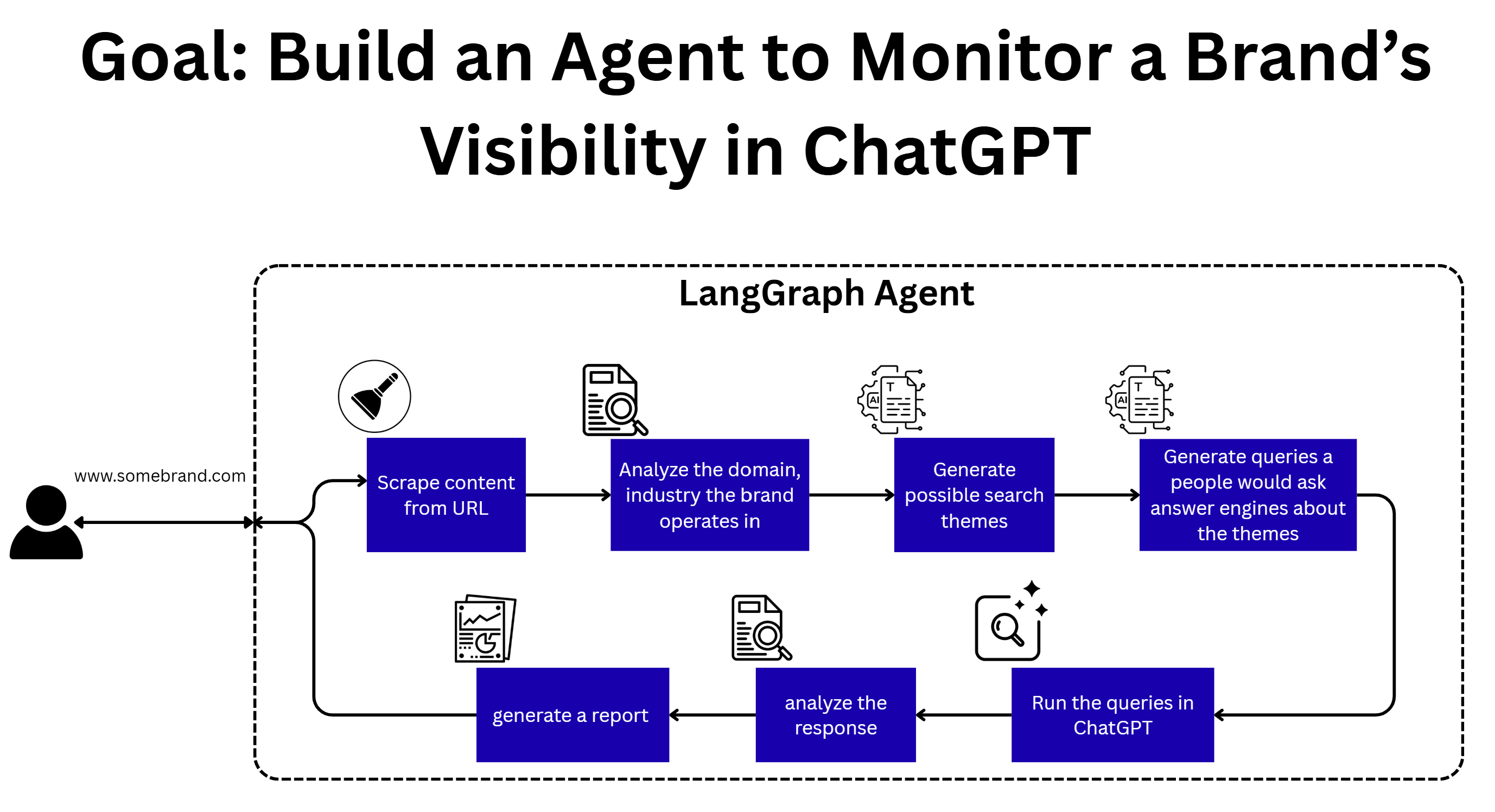
In the video, I’ll walk you through a LangGraph agent that:
Scrapes your website
Identifies your domain, location, and service themes
Generates likely customer queries
Tests those queries against answer engines
Monitors citations, competitor presence, and content gaps
So instead of guessing how answer engines perceive your brand, you’ll have a real-time dashboard telling you where you stand and how to improve.
Code
https://github.com/zahere-dev/agentexpert-labs/tree/main/business_use_cases/brand_monitoring